
“She was the first person of importance who ever wrote me a fan-letter,” C.S. Lewis noted about Dorothy L. Sayers. “I liked her, originally, because she liked me; later, for the extraordinary zest and edge of her conversation—as I like a high wind.”

I love the way Lewis described his relationship with Sayers. As a man who enjoyed long walks in the countryside, Lewis would undoubtedly appreciate a bracing wind, and that’s the comparison he made with Dorothy Sayers. A high/bracing wind can keep you alert and refreshed. In the same way, Sayers’s writing does that. Crystal Downing, in her perceptive analysis of Sayers’s writings, says,

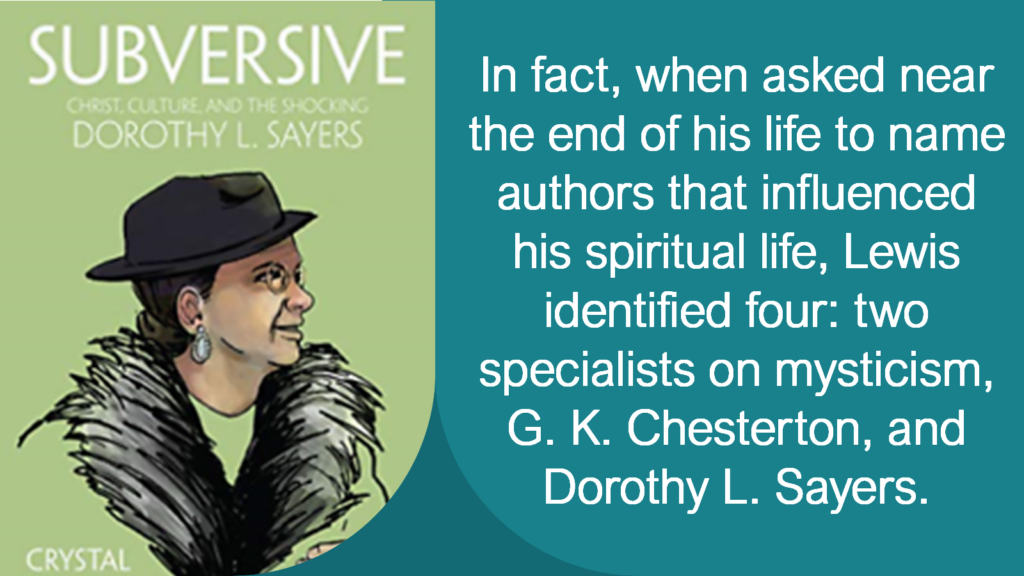
That’s quite a plaudit from Lewis. Unfortunately, most people today know nothing about her except for her Lord Peter Wimsey detective novels. Yet she left those behind to devote her attention to expounding on her Christian faith through plays, essays, and a seminal book focused on the God-given ability for mankind to be a sub-creator.
In my ongoing quest to inform the rising generation of the value of writers like Lewis and Sayers, I continue to teach university courses on them. I just completed an honors course on the life and influence of Sayers. Sadly, the course only attracted three students, but it was probably one of the most enjoyable courses I have taught in recent years. Why? All three students had their eyes opened to a world of bracing writing through Dorothy L. Sayers.
The first reading in the course was the novel Strong Poison. I wanted students to experience Lord Peter Wimsey and Harriet Vane as part of the scope of Sayers’s works. But then I introduced them to the fact that plays she wrote for the Canterbury Festival—The Zeal of Thy House and The Devil to Pay—revealed a personal revival of her childhood faith. In the wake of those plays, she wrote some of the most riveting essays on the creeds of the Church that I’ve ever read. The titles showcase her style: “The Greatest Drama Ever Staged,” “The Dogma Is the Drama,” “Creed or Chaos?” and “The Other Six Deadly Sins” are examples. The students loved her bracing style of writing. Their reflection papers on the essays show how significantly they were affected by her combination of logic and wit.
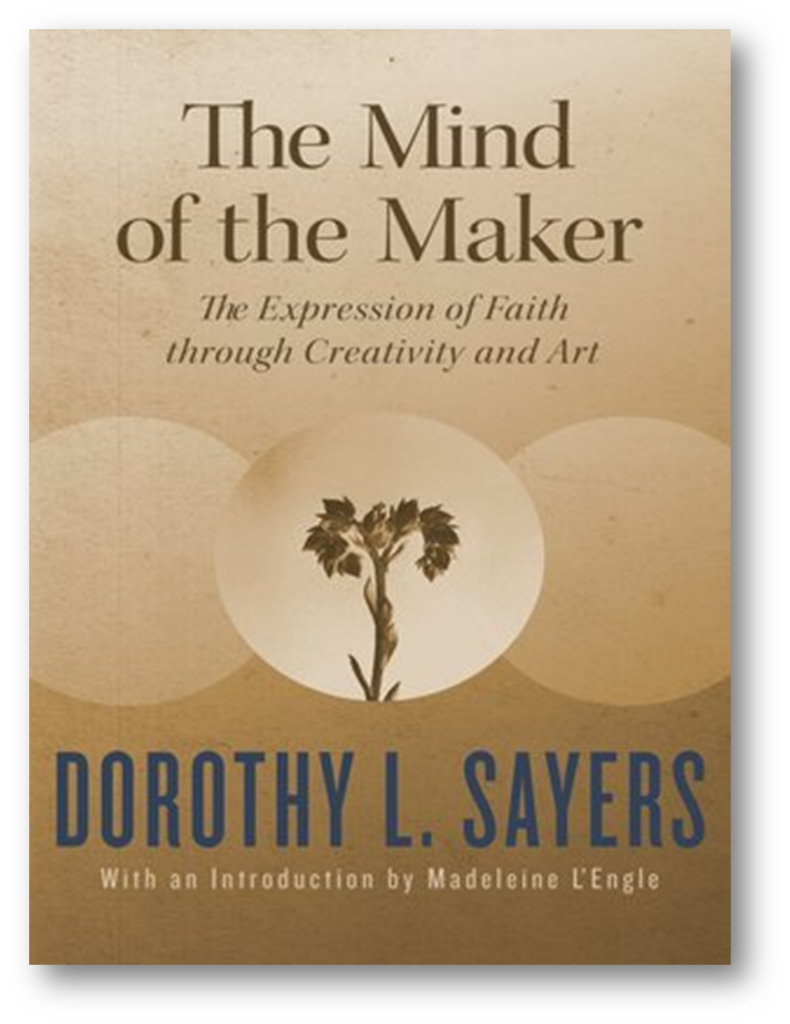
We then turned to her analysis of mankind’s penchant to create as an endowment from God. The Mind of the Maker focused on the nature of the Divine Trinity and how that same trinity of Idea/Father, Energy/Son, and Power/Spirit manifests itself through human creativity. After that, we studied her approach to her BBC plays on the life of Jesus—The Man Born to Be King.
Her famous essay, “The Lost Tools of Learning,” has become nearly required reading for the burgeoning home schooling movement in America. In it, she challenges educators to return to the significance of stages of learning: Grammar, Logic, and Rhetoric.
And, of course, we delved into the final major project in her life, a new translation of Dante’s Divine Comedy. Her goal was to make a medieval work more accessible to a modern audience. In her introduction to Dante, she writes,

I concluded the course with Lewis’s panegyric for Sayers that was read at her funeral. The final words of his panegyric say it perfectly.

I thank the Lord who worked in and through the lives of both Lewis and Sayers. Their words come down to later generations as tried and true, well tested, remembered, and still effective in making us think anew—sort of like a high, bracing wind.