
It’s taken me a while to be interested enough in the pre-conversion C.S. Lewis to take time out from his exceptional Christian writings to delve into his pre-Christian thinking. But now I’m devoting more time to that.
It began a year of so ago when I read his diary from the 1920s, titled All My Road Before Me. Lewis, of course, never published this in his lifetime, but our continual fascination with someone many of us consider to be a model of Christian faith and writing, makes us curious about those early years.
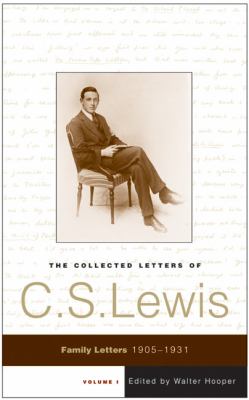
Neither did Lewis expect his letters to be published for all to see. Thanks to Walter Hooper, we have a three-volume collection of those, and the first volume covers all of his pre-conversion missives. A few months ago, I decided it was time to read through all of Lewis’s letters and, although I’m more naturally attracted to his thoughts as a Christian, I determined to begin at the beginning. Currently, I’m in 1927 and I’ve learned a lot about how Lewis thought before he committed his life to Christ.
Lewis’s teenage letters went to only two correspondents: his father and his friend, Arthur Greeves. He hid from his father his apostasy from the faith in which he had been raised, so we don’t get any inside information about his religious views from those letters. To Arthur, however, he laid out rather bluntly his opinions about Christianity. The most-often-noted quote from Lewis in those years is found in an October 1916 letter to Greeves in which he takes his friend to task for continuing to believe in Christian faith.
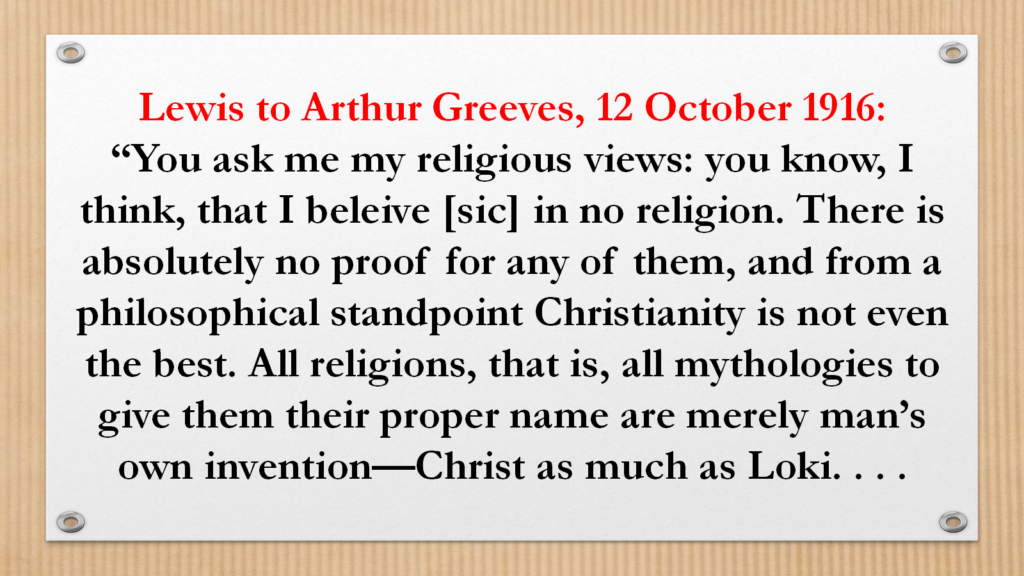
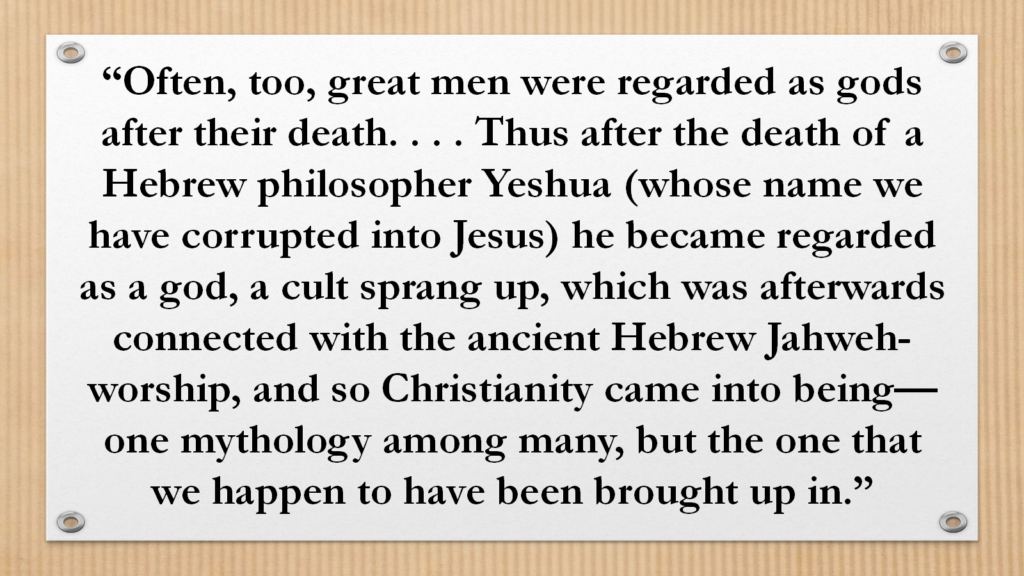
The letter continues with the assurance of smug adolescence: “Superstition of course in every age has held the common people, but in every age the educated and thinking ones have stood outside it, though usually outwardly conceding to it for convenience.” Lewis clearly sees himself as one of the thinkers who can rise above what he deems “superstition.” He is disappointed that Arthur hasn’t yet been “emancipated” from those old beliefs. He then goes on to assert that religious ideas have no impact on morals anyway. Why? “A good member of society must of course try to be honest, chaste, truthful, kindly etc: these are things we owe to our own manhood & dignity and not to any imagined god or gods.”
The mature Lewis of later years would take himself to task for using words like morals, honesty, chastity, and truthfulness without having established any basis for why such things are “good.” From what source do we get the concept of goodness? Why be honest, etc.? Why do we owe that to manhood? What’s so important about dignity?
But that would be the later Lewis.
He concludes his thoughts in that particular letter in this way:
Of course, mind you, I am not laying down as a certainty that there is nothing outside the material world: considering the discoveries that are always being made, this would be foolish. Anything MAY exist: but until we know that it does, we can’t make any assumptions. The universe is an absolute mystery: man has made many guesses at it, but the answer is yet to seek. Whenever any new light can be got as to such matters, I will be glad to welcome it. In the meantime, I am not going to go back to the bondage of believing in any old (& already decaying) superstition.
In another letter to Greeves just one week later, Lewis gets more specific by stating, “That the man Yeshua or Jesus did actually exist, is as certain as that the Buddha did actually exist. Tacitus mentions his execution in the Annals. But all the other tomfoolery about virgin birth, magic healings, apparitions and so forth is on exactly the same footing as any other mythology.”
When Lewis later wrote his autobiography, Surprised by Joy, he looked back on his youthful rejection of Christianity and explained it this way:
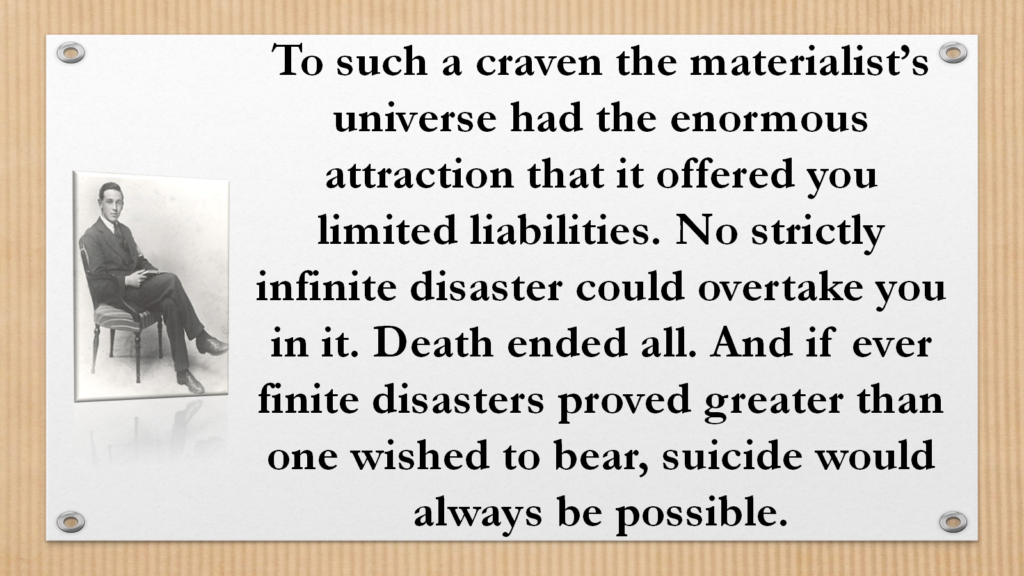
Lewis’s conversion required what conversion requires of everyone: seeing one’s sin as a horrible affront to the God of the universe and then acknowledging what He has done for us to set us free from that sin. There’s a reason why Lewis called pride the “Great Sin.” He had to come to grips with his pride and humble himself in order to receive God’s forgiveness.
Walter Hooper, his literary executor, related a conversation he had with Lewis about the temptations he might feel from having been so successful. When he asked Lewis if he had ever thought about the danger of being worshiped by readers, he got this response: “One cannot be too careful not to think of it.” Hooper called that the greatest example of humility he had ever witnessed.
Reading the early Lewis, as I am doing now, only emphasizes just how thoroughly converted he was once he bowed the knee to the lordship of Christ. The contrast is stark and reveals what conversion really is.