
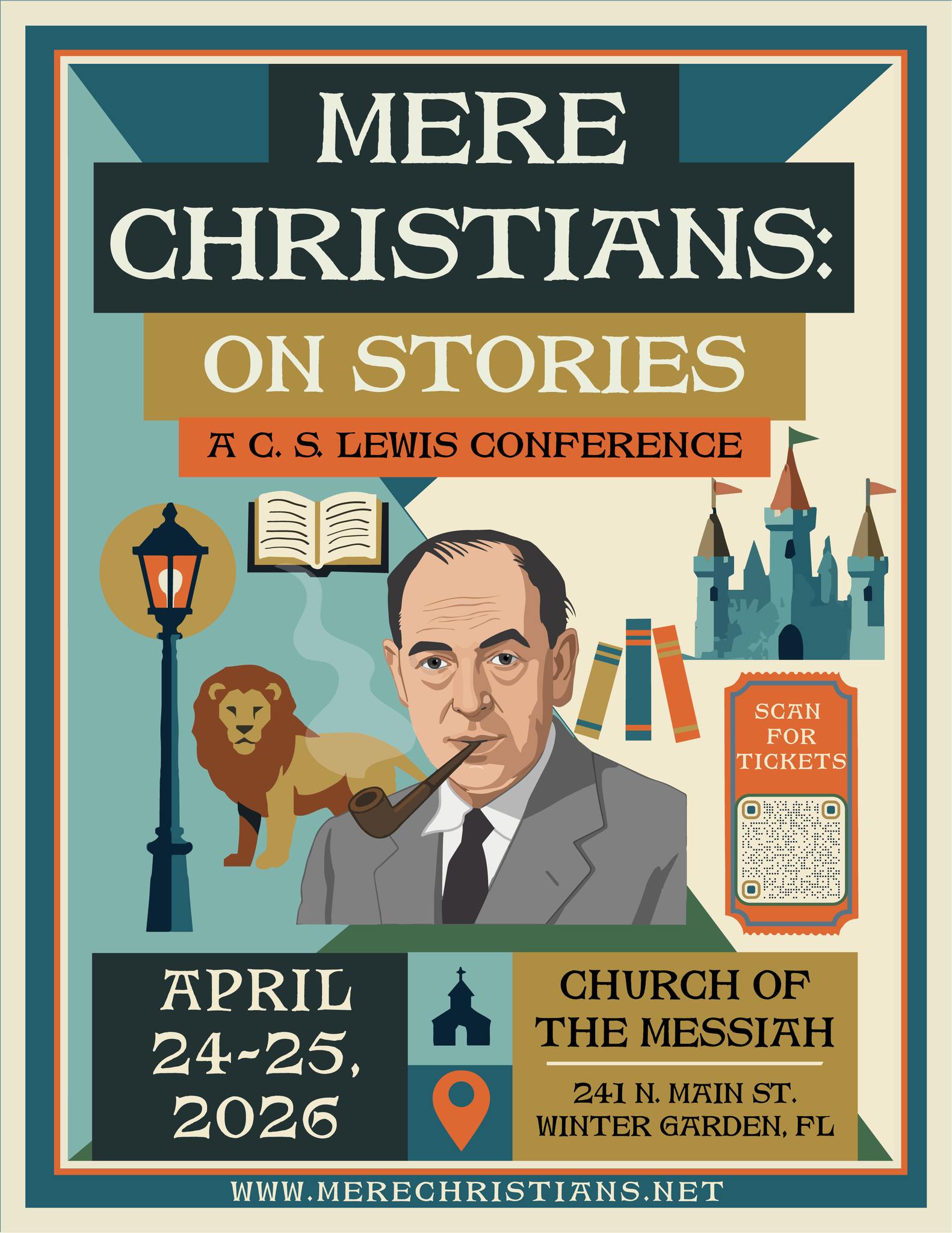
I just returned from Winter Garden, Florida, after being part of the “Mere Christians” conference for the third year in a row.
Speaking for many, I’m sure, the draw of C.S. Lewis conferences, regardless of the sponsors of the event or the theme, is the opportunity to meet face to face with others who have the same abiding interest—and dare I say, fascination—in one of God’s premier writers of the past century. The fellowship of kindred minds and spirits is the most memorable aspect of attending a Lewis conference.
The theme for this year’s Florida conference was “On Stories,” highlighting Lewis’s penchant for telling tales that capture the imaginations of his readers and leave you pondering the ways in which he has taught invaluable truths through this medium.
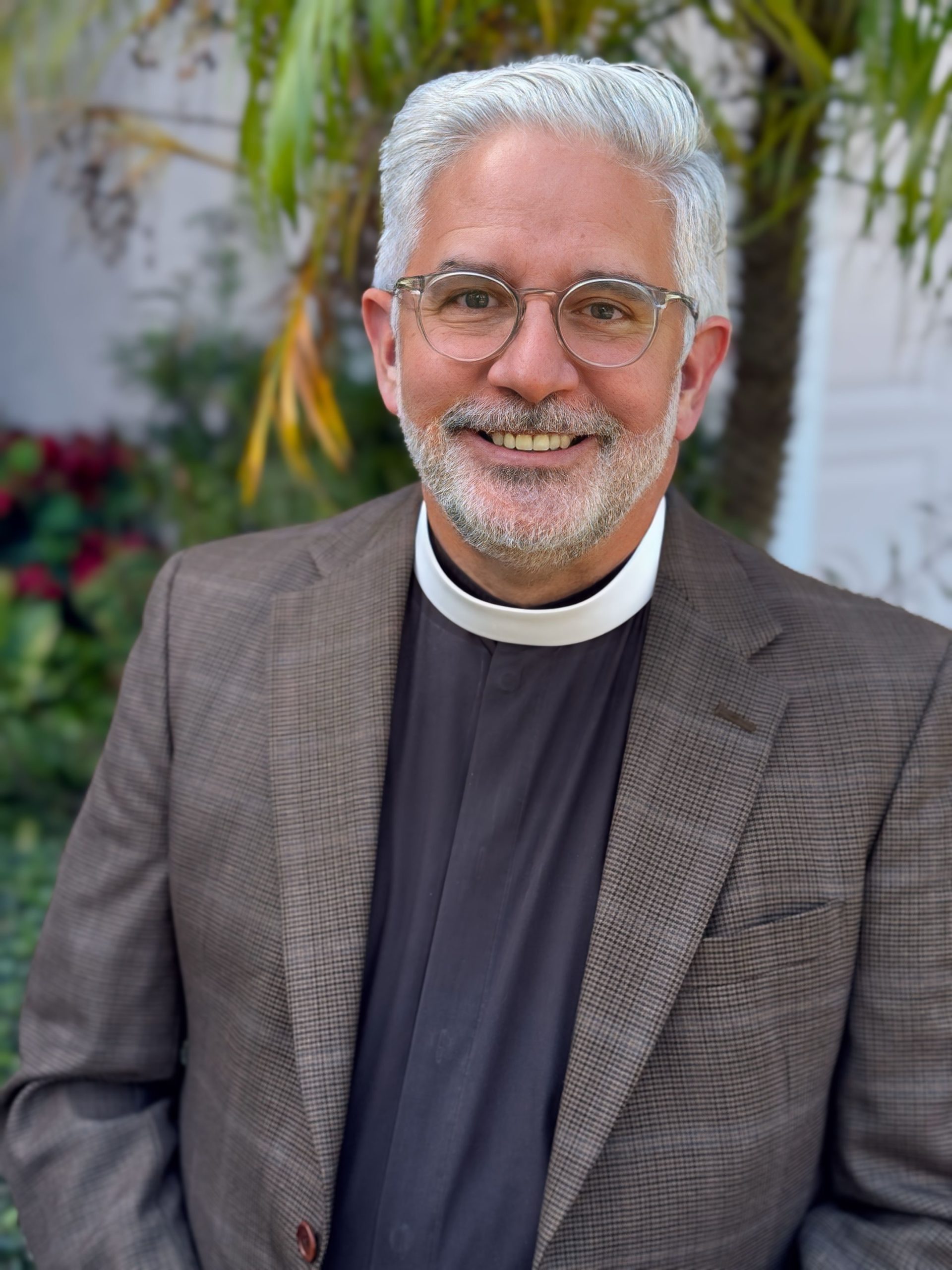
The heart and soul of these “Mere Christians” conferences can be found in the persons of Episcopal priest Andrew Lazo and his wife, Christin Ditchfield Lazo. Both Andrew and Christin are Lewis scholars of long standing. Andrew is busy putting finishing touches on his forthcoming book on Till We Have Faces and Christin’s A Family Guide to Narnia has just gone into its 21st printing.
Andrew’s keynote address focused on Lewis’s close friend J.R.R. Tolkien. But the topic certainly fit the theme as he expounded on the value of Tolkien’s famous essay “On Fairy Stories,” which has become a foundational text for understanding the concept of humans, under God’s authority, taking on the role of sub-creators. Two of the best sub-creators, of course, are Lewis and Tolkien.
Christin, the Chronicles of Narnia expert, focused on The Magician’s Nephew, which showcases Lewis’s ability to sub-create through his story of the creation of Narnia.
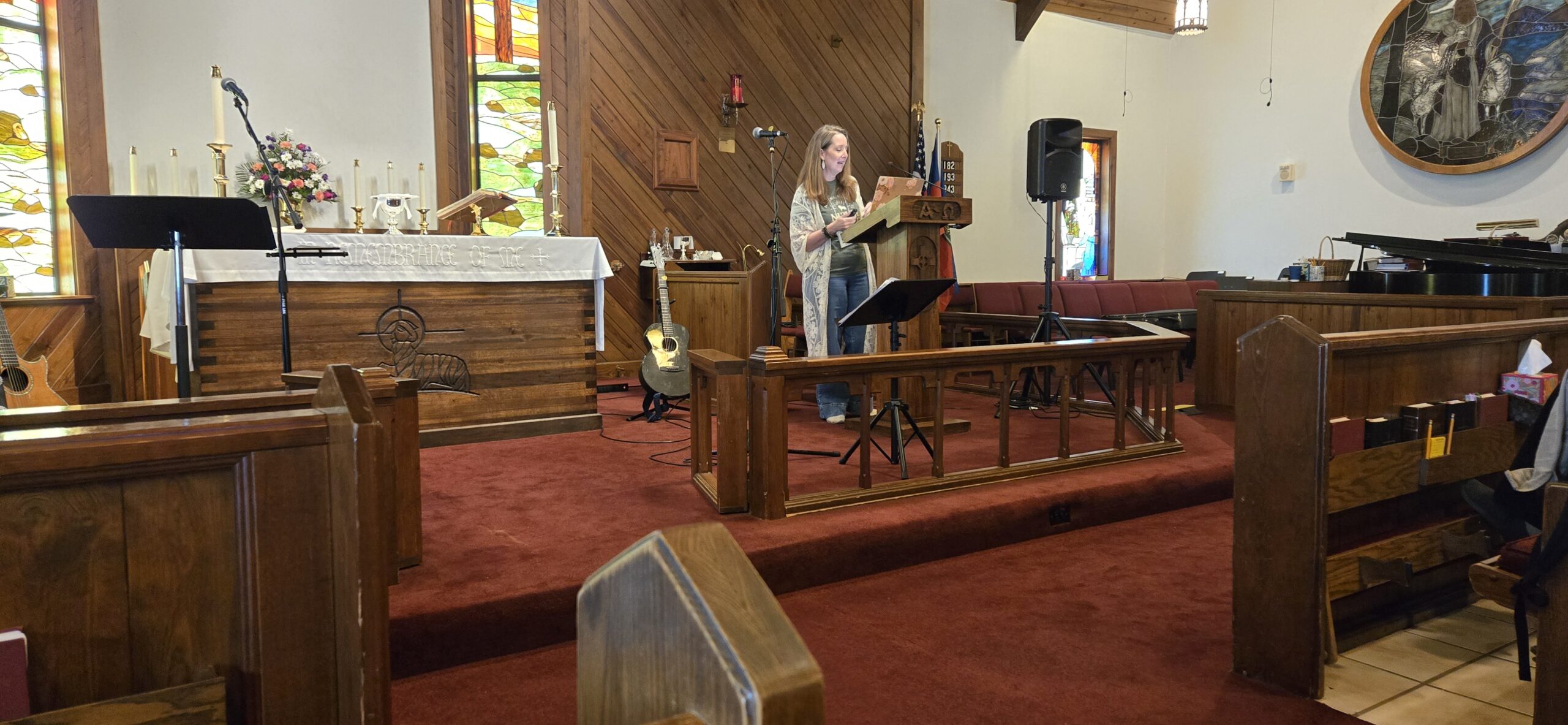
The most poignant part of her presentation was sharing the moment in the book when Digory asked Aslan if there was anything he could do to heal his dying mother. I’ve always been moved by Lewis’s depiction of the tears that well up in Aslan’s eyes as he responds to the request. It would be difficult to find a more appropriate image of the true heart of God, the merciful heart of God who seeks to redeem and judges only because it is necessary to do so.
Another feature of the conference was the Bander Track for those who are in the process of writing and seeking counsel as they move forward with their projects. I was able to attend one of those sessions, and I picked well, as there was a zoom interaction with two of the most prolific Lewis writers of our time: Terry Glaspey and Diana Glyer.
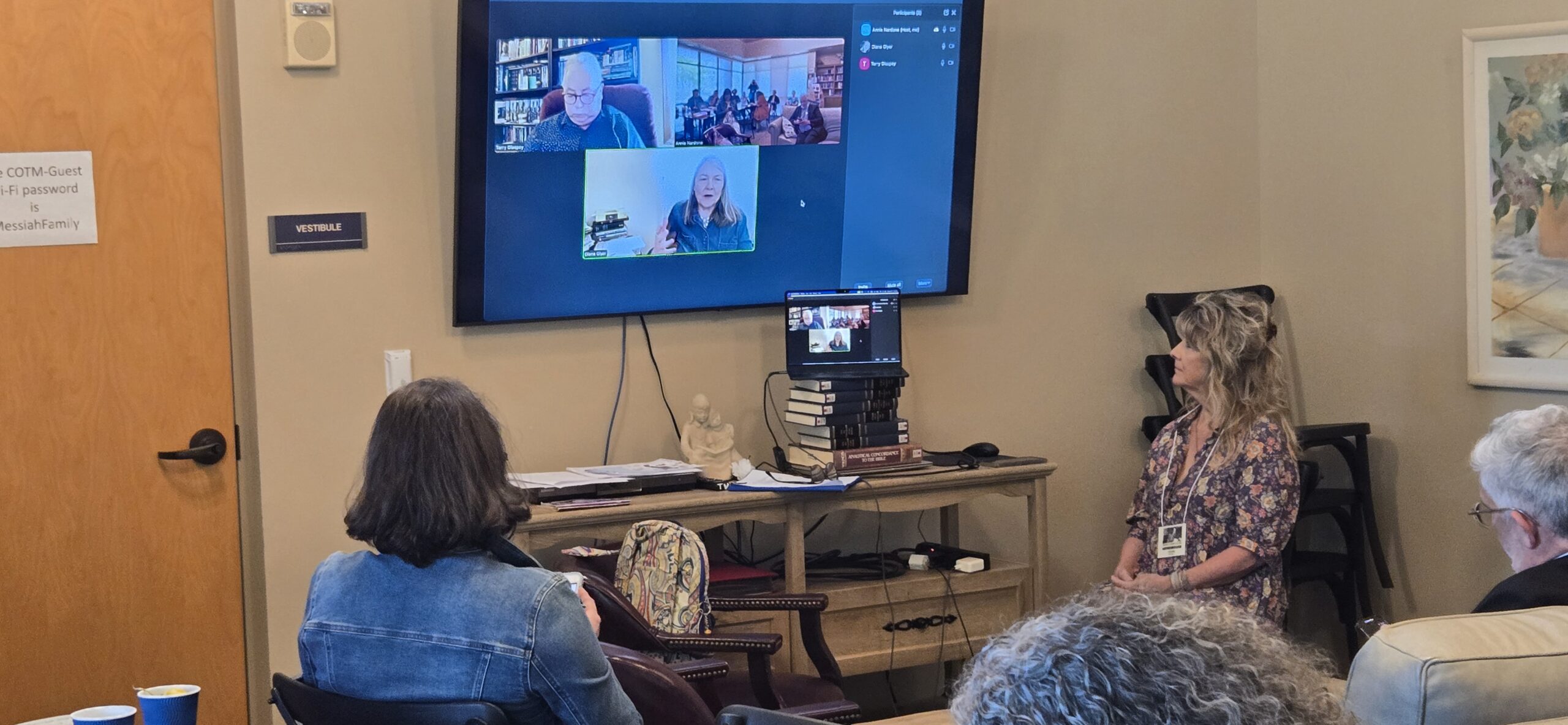
The encouragement they provided for aspiring sub-creators was excellent, as was the practical advice on how best to proceed, both in the writing itself and as one looks for publication possibilities. I was so impressed by Diana’s practical advice that I immediately ordered her new book, Write Like You Mean It. Even though I have written six books thus far, I still need as much counsel as others as I plan ahead for whatever writing I may do in the future.
We were treated to an abundance of musical richness at this conference. Songwriters and musicians Matthew Wheeler and Matthew Clark regaled us with their original compositions. Additionally, Hannah Flowers, a most accomplished harpist, kept us transfixed with her melodies. I’ve concluded that if the harps we read about in heaven are only symbols and they aren’t really there, I will be disappointed. Well, I don’t think anything wonderful will be excluded from God’s presence.
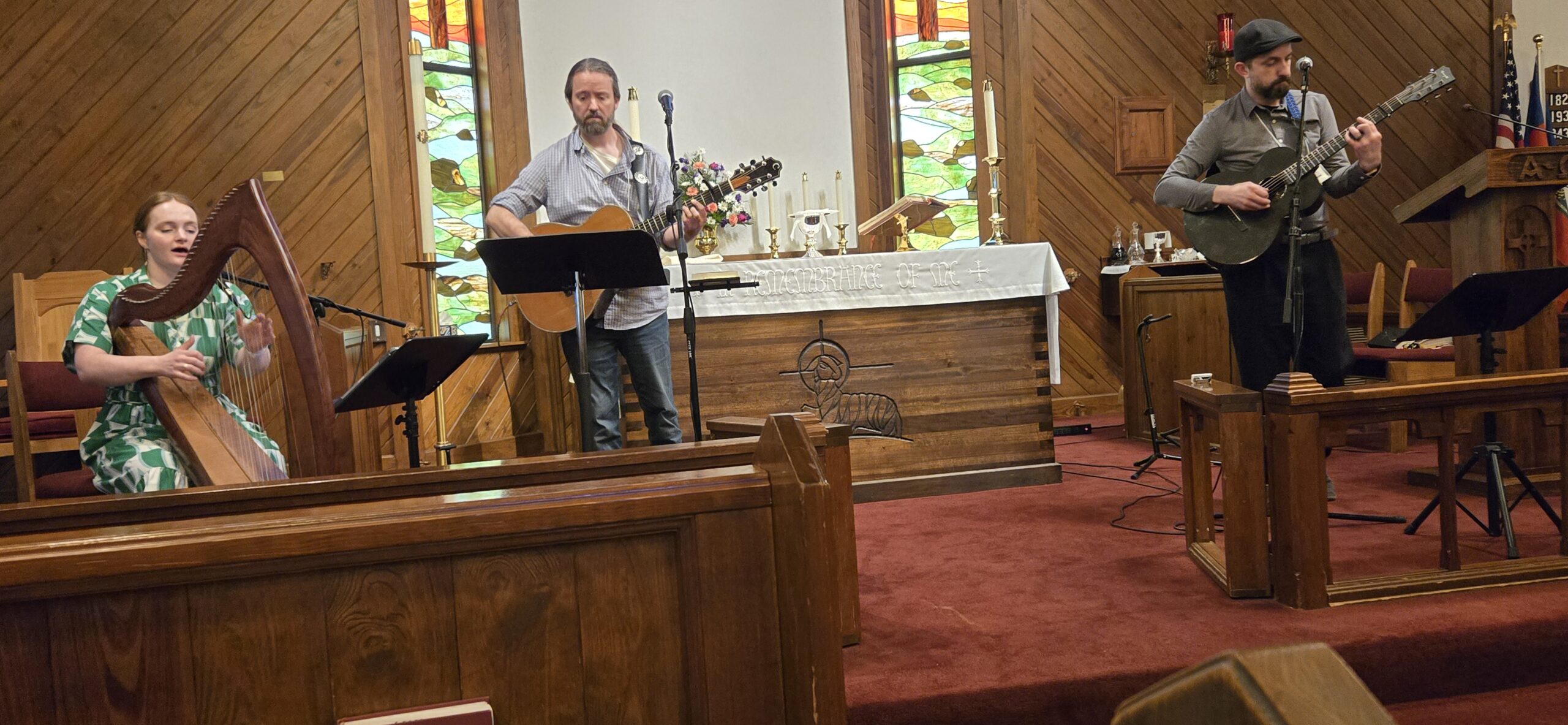
I believe this was the first time all three of these musicians performed together, so they were trying to come up with a name for their “band.” Among the many suggestions, both serious and humorous, two stood out to me: The Dawntreaders and The Inklings Trio. I hope they can get back together again. They were a blessing.
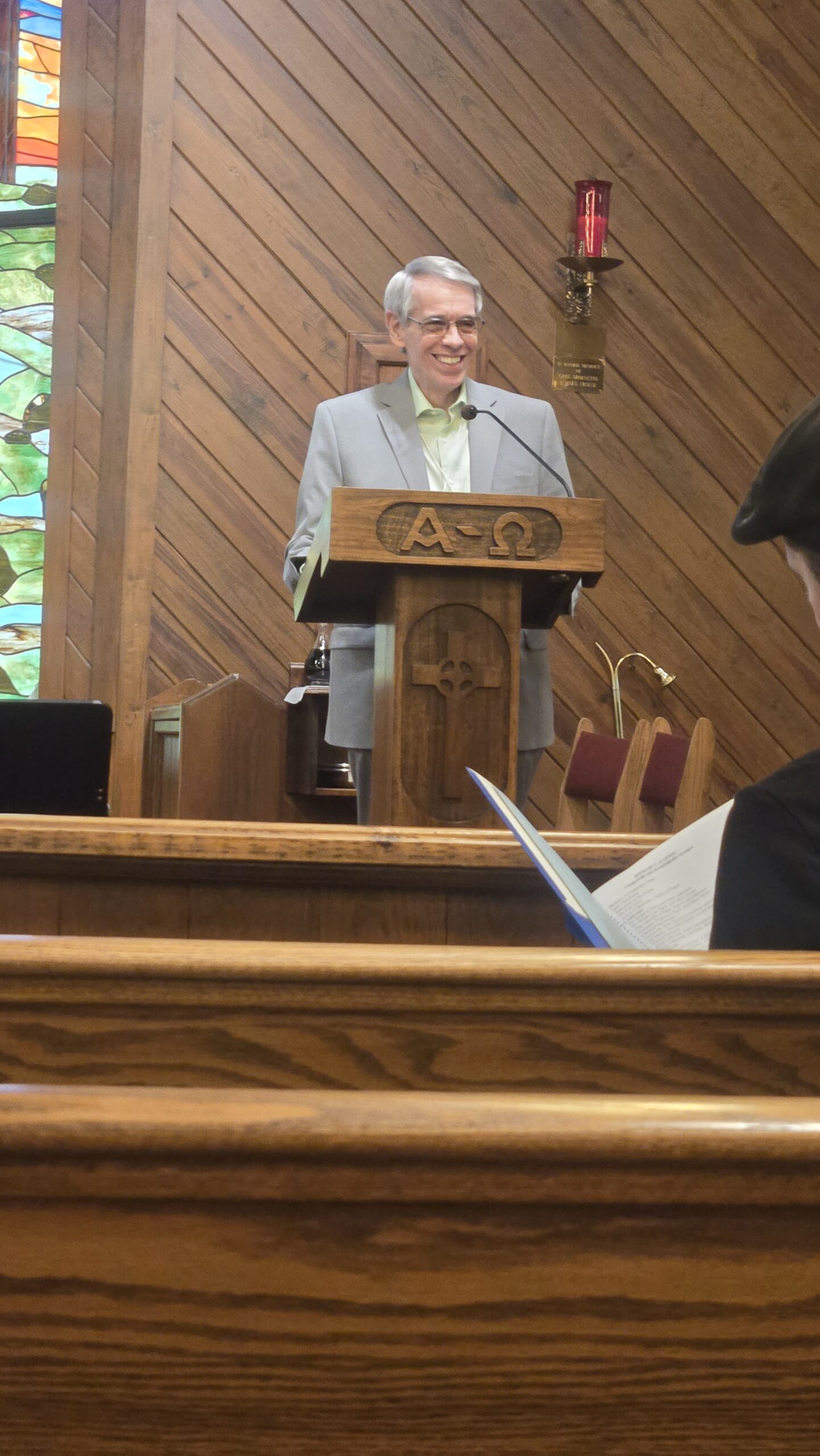
Yes, I spoke also, delighted to take on the task of the opening keynote on Friday evening. If that photo makes it seem as though I was having a good time speaking, it’s because I was having a good time speaking. My topic as related to the theme of “On Stories,” was Lewis’s Ransom Trilogy: Out of the Silent Planet, Perelandra, and That Hideous Strength.
I first read those books when I was an undergraduate more than fifty years ago. I’ve re-read them numerous times since. In my Lewis course at the university, which I’ve now taught perhaps six times, I always give students That Hideous Strength as they get acquainted with the scope of Lewis’s writings. And I hope they will go back to it again a few years later. That’s what I’ve done with all of Lewis’s writings.
I agree with Lewis when he writes,
An unliterary man may be defined as one who reads books once only. … We do not enjoy a story fully at the first reading. Not till the curiosity, the sheer narrative lust, has been given its sop and laid asleep, are we at leisure to savour the real beauties. Till then, it is like wasting great wine on a ravenous natural thirst which merely wants cold wetness.
This “Mere Christians” conference is scheduled again for next April. The venue will shift from Winter Garden to Sarasota. The theme for next year will be “Till We Have Faces.” Andrew has already asked me to speak on one aspect of that, and I am eager to do so. As long as I have breath, I will speak about Lewis whenever anyone asks me. If this conference review has stirred something within you, I invite you to join us next year.