
C.S. Lewis’s classic, Mere Christianity, begins with a section entitled “Right and Wrong As a Clue to the Meaning of the Universe.” In it, he establishes that a universal moral law applies to all humans. Section two, called “What Christians Believe,” then goes into the specifics of Christian doctrine with its apex being the Person of Christ as Savior. The third section, “Christian Behavior,” begins with a chapter explaining “The Three Parts of Morality.” It forms the bedrock for all the chapters that follow in the section, revealing what should be our perspective when we think about the whole realm of moral behavior; it sets the stage for grasping the significance of various aspects of moral actions.
Lewis delineates exactly how we “human machines” go wrong in our actions toward others. The first is when we either drift apart from one another or else collide with others, causing damage to both those others and to ourselves. The second way is when something goes wrong inside of us when our different faculties or desires interfere with our internal “workings.”
One of the things I appreciate most about Lewis’s explanations of such matters is his ability to devise illustrations that help us see more clearly what he means. His first illustration is nautical in nature:
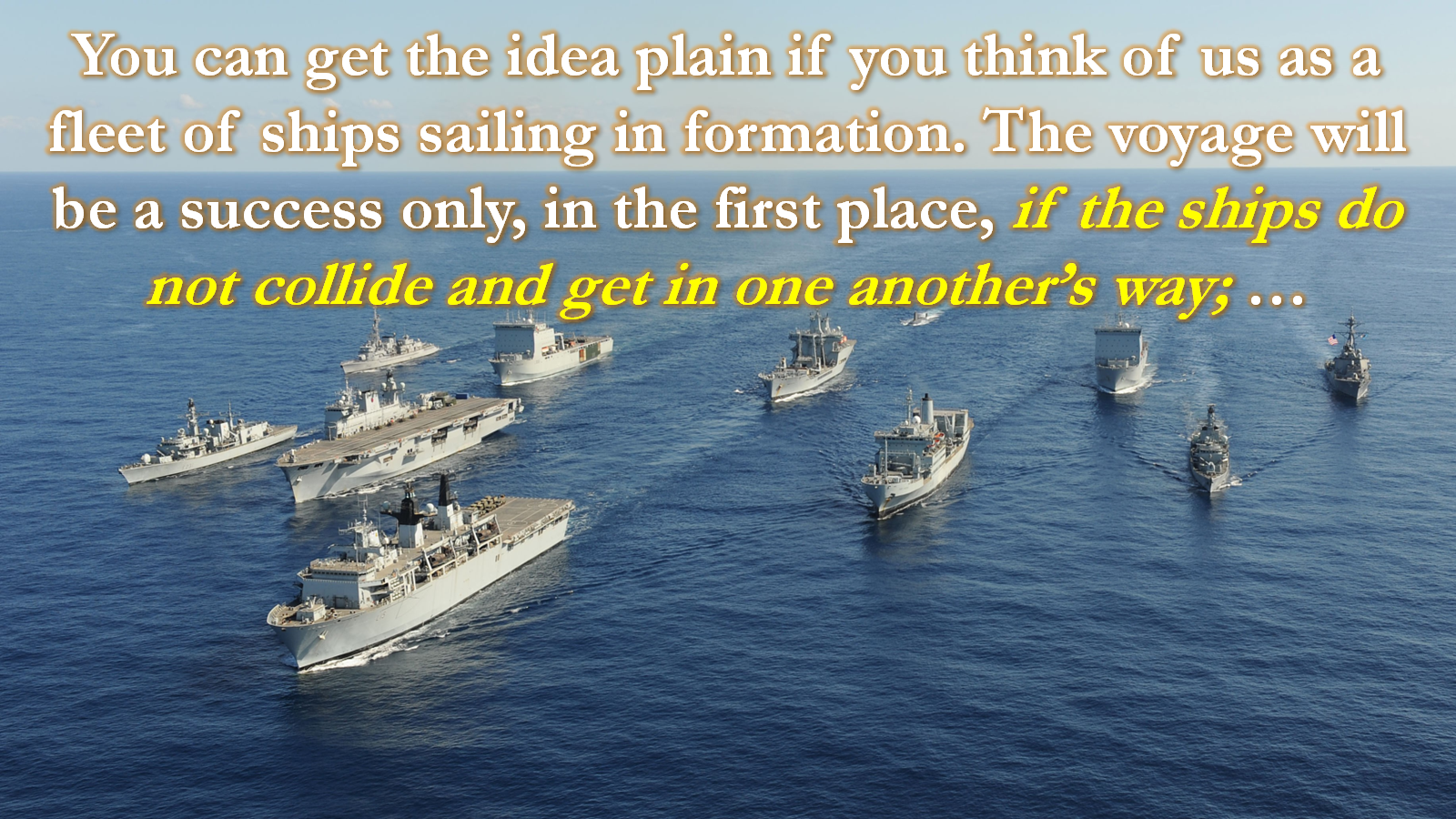
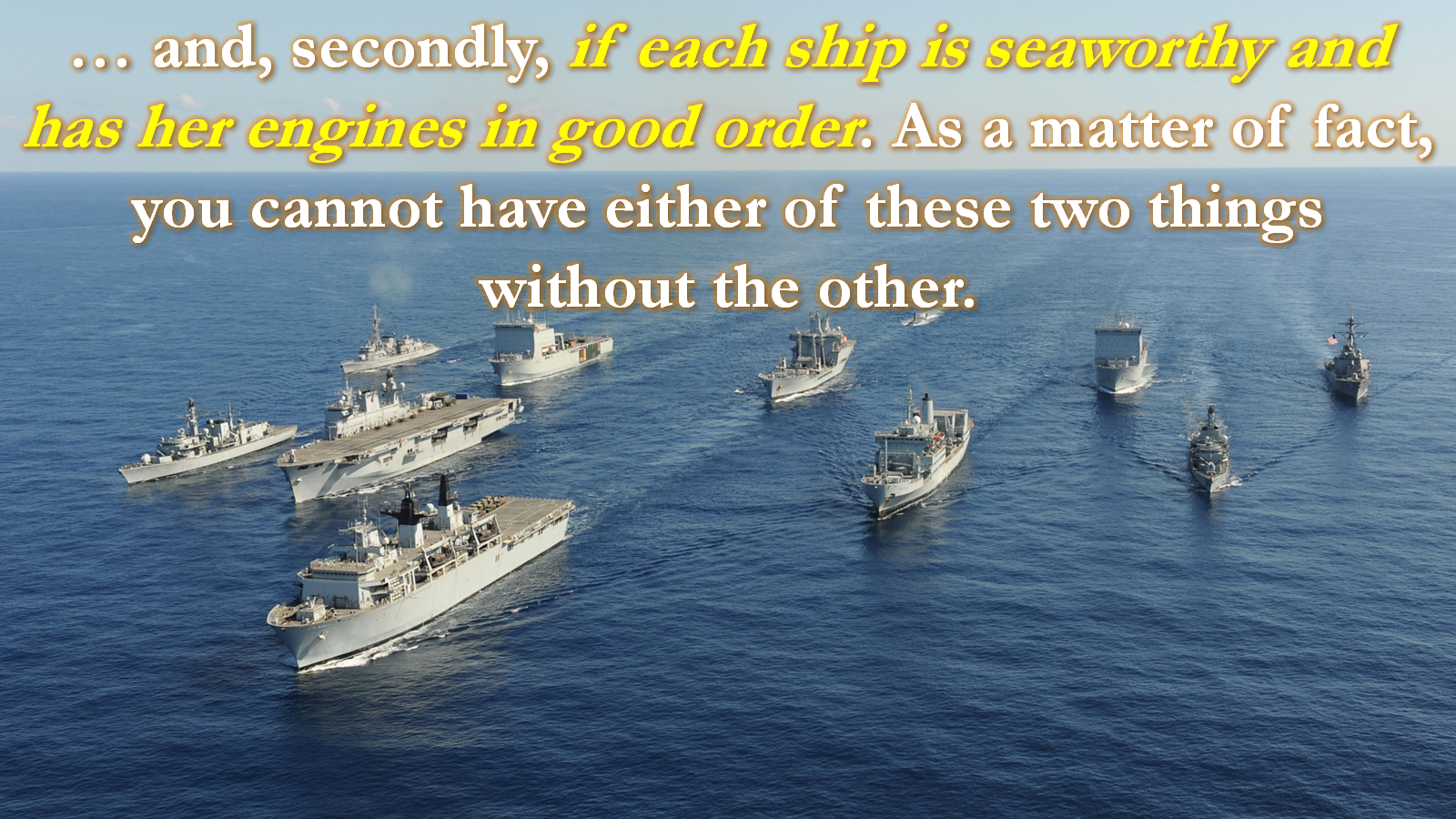
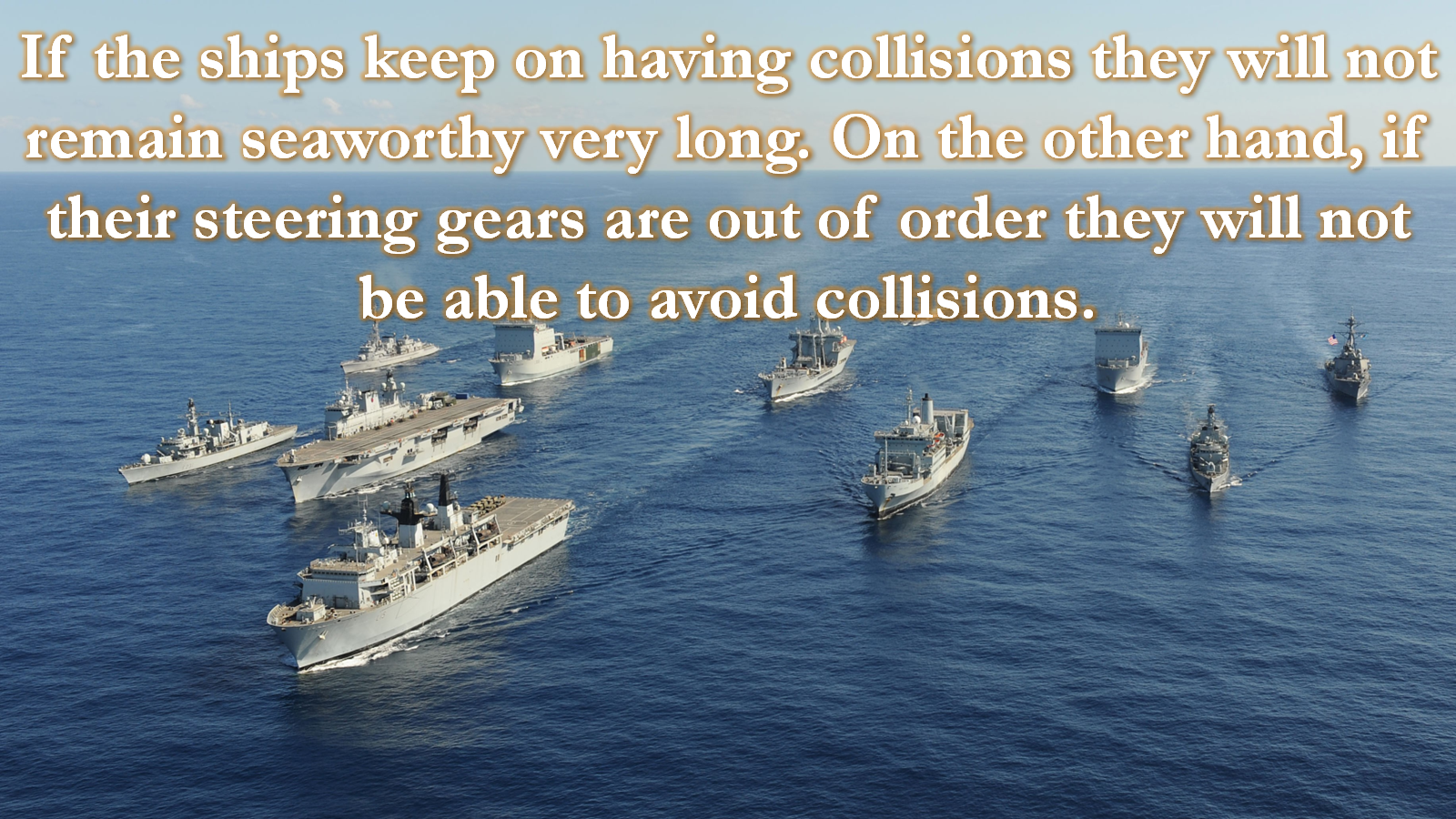
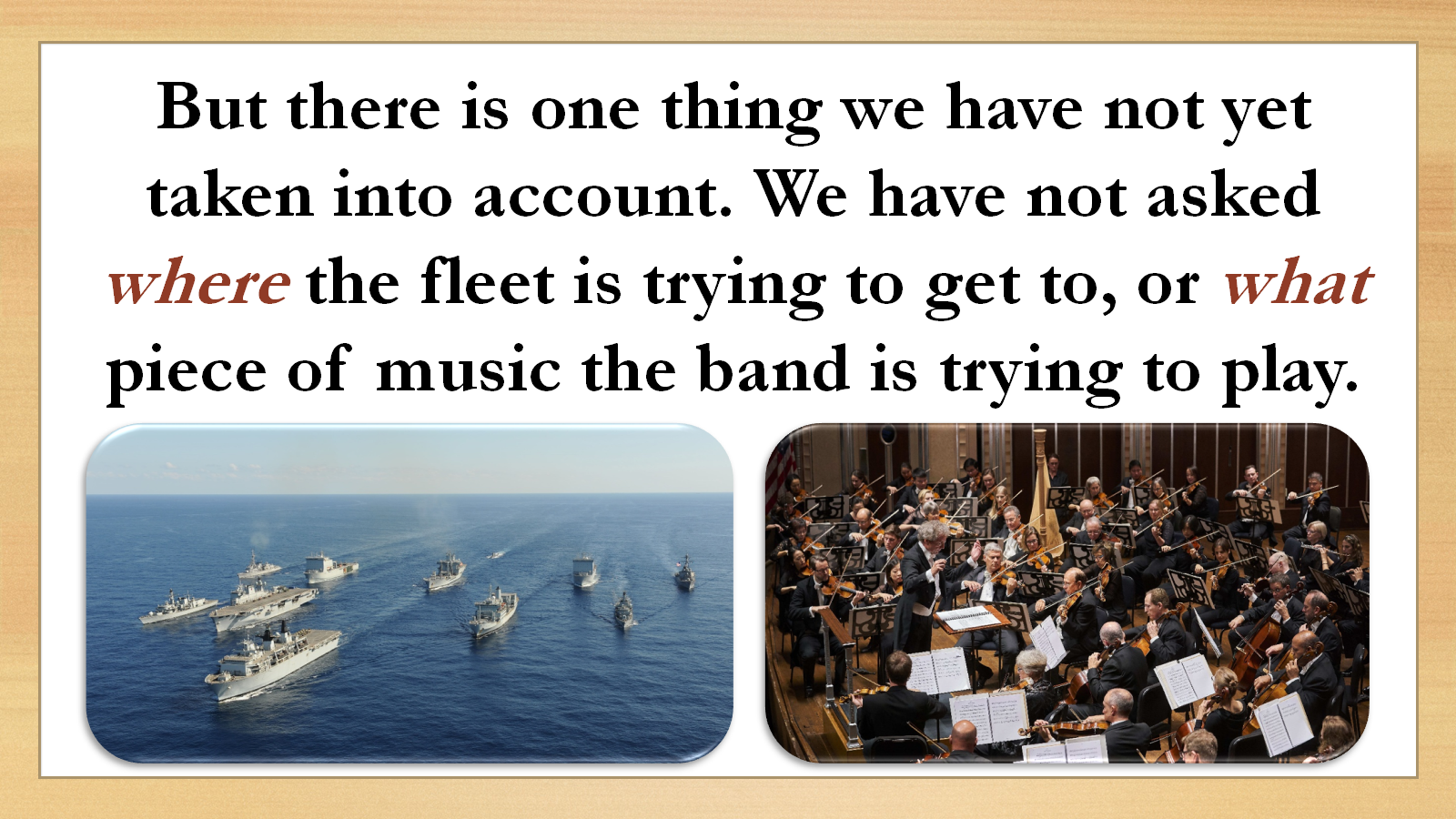
For those less nautically minded, he then applies the same thought process to a band attempting to play a tune. “To get a good result, you need two things,” he notes. First, “each player’s individual instrument must be in tune”; second, “each must come in at the right moment so as to combine with all the others.” To complete the explanation, however, Lewis adds another layer:
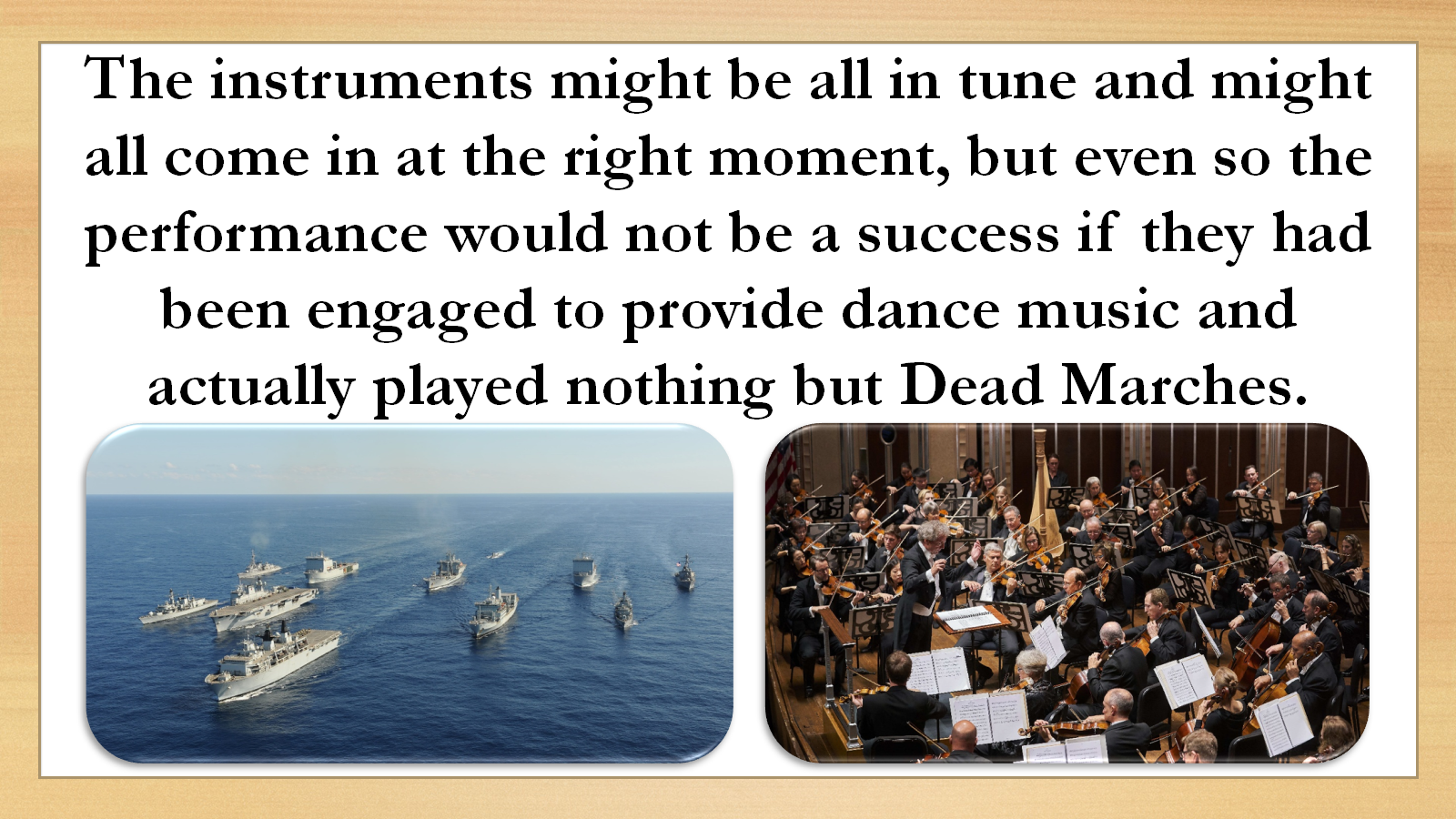
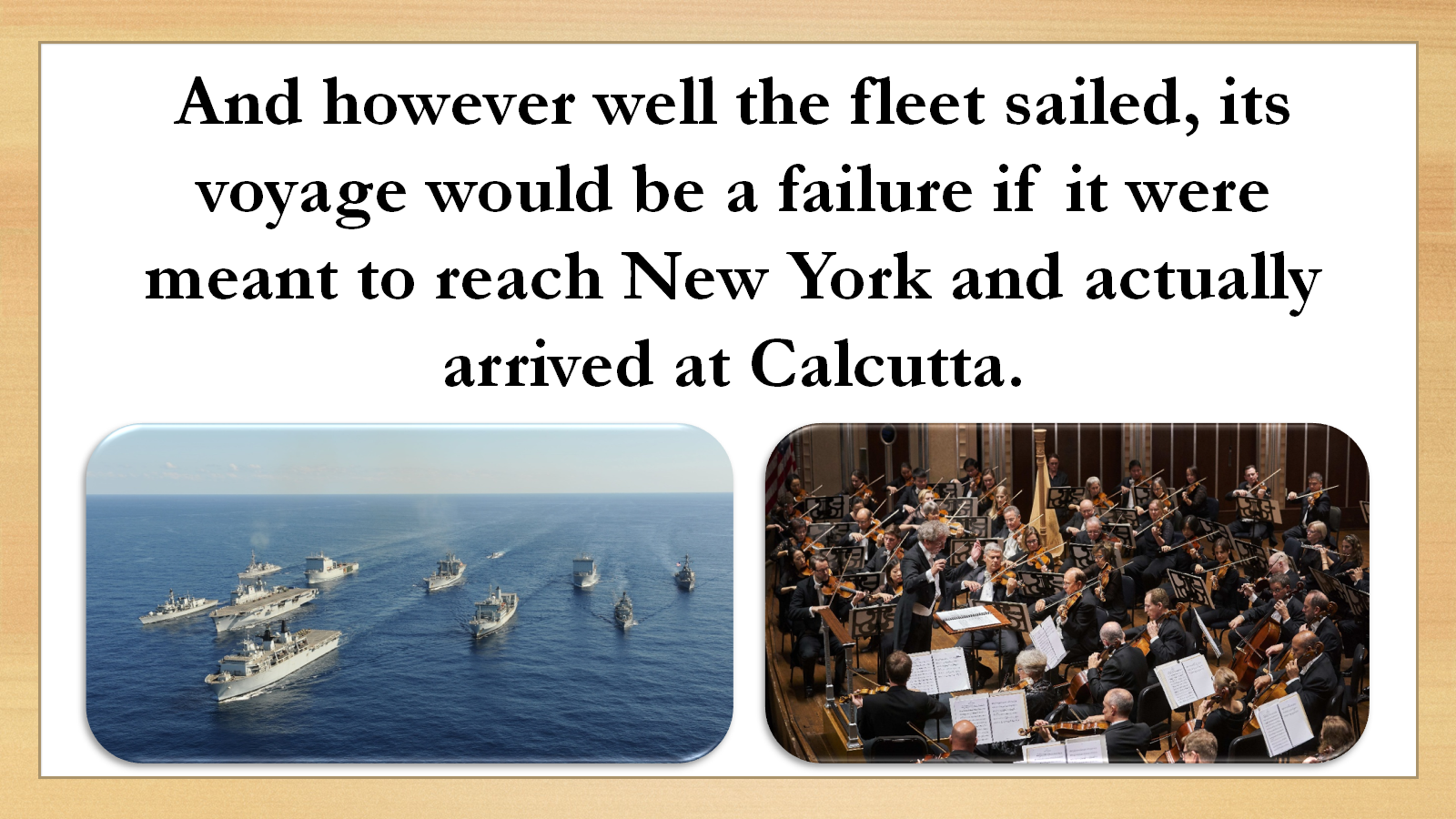
Morality, then, seems to be concerned with three things. Firstly, with fair play and harmony between individuals.
Secondly, with what might be called tidying up or harmonising the things inside each individual.
Thirdly, with the general purpose of human life as a whole: what man was made for: what course the whole fleet ought to be on: what tune the conductor of the band wants it to play.
You may have noticed that modern people are nearly always thinking about the first thing and forgetting the other two.
Kindness toward other people is only concerned with the first thing: not colliding with others. “When a man says about something he wants to do, ‘It can’t be wrong because it doesn’t do anyone else any harm,’ he is thinking only of the first thing. He is thinking it does not matter what his ship is like inside provided that he does not run into the next ship.”
That type of thinking never takes into consideration the second thing: ensuring that there isn’t something within us that needs to be corrected because it’s making a mess of our own lives. If we don’t think about that, we are deceiving ourselves. As Lewis so aptly puts it:

But what is the purpose of human life? What is it for? We can take care of those first two things yet have no concept of our fleet’s destination or the tune the band is designed to play. What if we are not our own? What if we are here for a purpose beyond ourselves? Are we the landlords of our own minds and bodies, or are we tenants who are responsible to THE LANDLORD? Lewis continues,
If somebody else made me, for his own purposes, then I shall have a lot of duties which I should not have if I simply belonged to myself.
Christianity asserts that every individual human being is going to live for ever, and this must be either true or false. Now there are a good many things which would not be worth bothering about if I were going to live only seventy years, but which I had better bother about very seriously if I am going to live for ever.
Lewis concludes his chapter with this concise, and poignant, summary;
It seems, then, that if we are to think about morality, we must think of all three departments: relations between man and man: things inside each man: and relations between man and the power that made him. We can all cooperate in the first one. Disagreements begin with the second and become serious with the third. It is in dealing with the third that the main differences between Christian and non- Christian morality come out.