
C.S. Lewis’s Mere Christianity has become a classic in the history of books explaining the Christian faith. I have begun teaching this classic at my church on Wednesday evenings. People can come in person, watch on Zoom, or watch the sessions later after the video is uploaded. The interest is high: 60 have now participated in the first session and others will undoubtedly let me know later that they have watched the first video.
It’s a blessing to have this opportunity to teach what Lewis has shared now with so many through this book, yet it’s also a great responsibility to communicate effectively as I share. The class needs to be more than just a recitation of Lewis’s thoughts; life in Christ as directed by the Holy Spirit must be an essential ingredient.
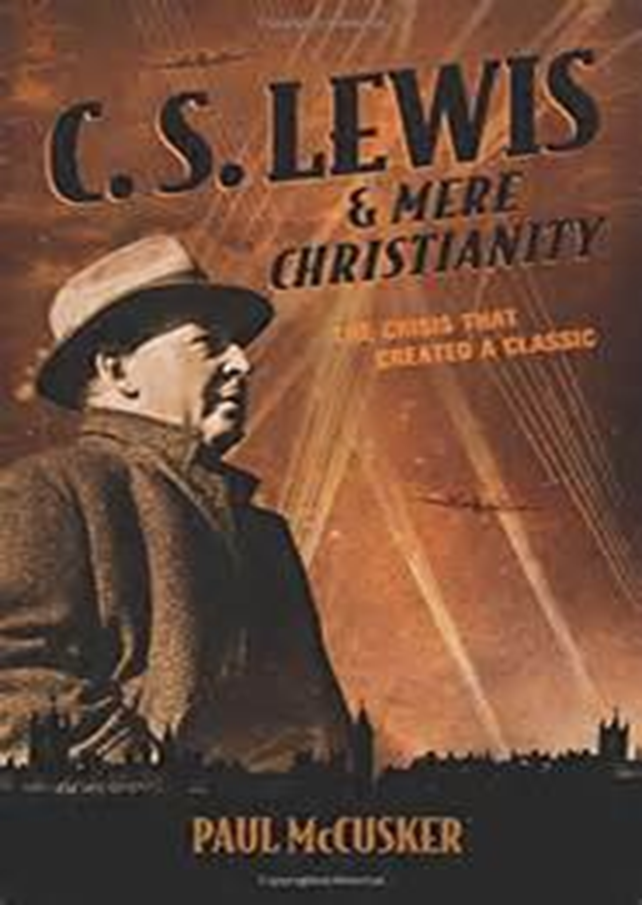
As a historian, I want to place Mere Christianity into its historical context. This book by Paul McCusker, C.S. Lewis & Mere Christianity: The Crisis That Created a Classic, helps me do so. I use it as background for the creation of the book.
The book we all know as Mere Christianity didn’t start as a book, but as a series of broadcasts over the BBC during WWII. McCusker’s detailed information on the development of those broadcast talks helps us see the era in which Lewis prepared them and why the BBC considered them to be so important.
As Lewis prepared his talks, bombs were dropped on London by Nazi planes, citizens were busy building backyard shelters, and children were being evacuated from the cities into the countryside. Many expected a Nazi invasion of England.
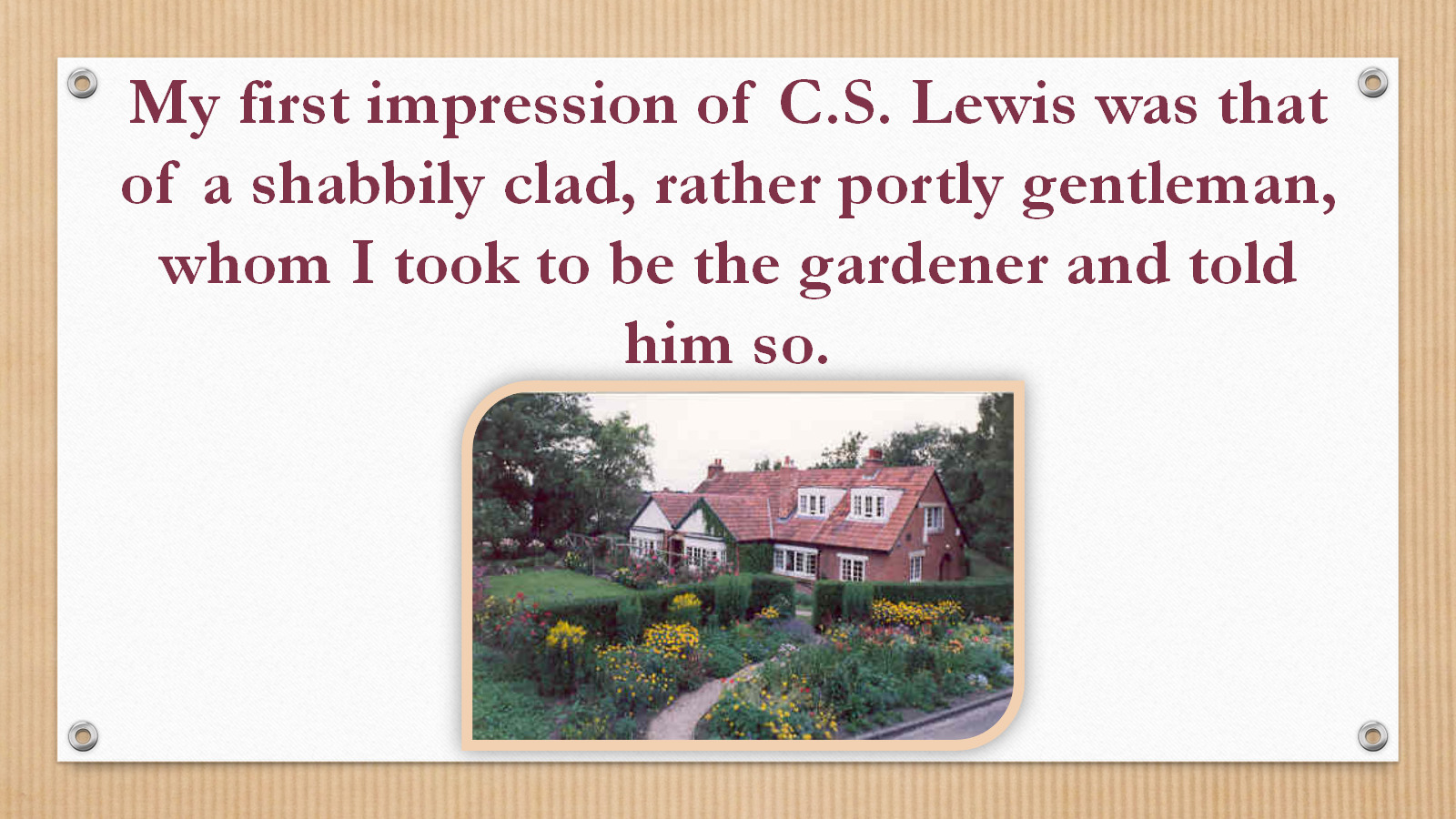
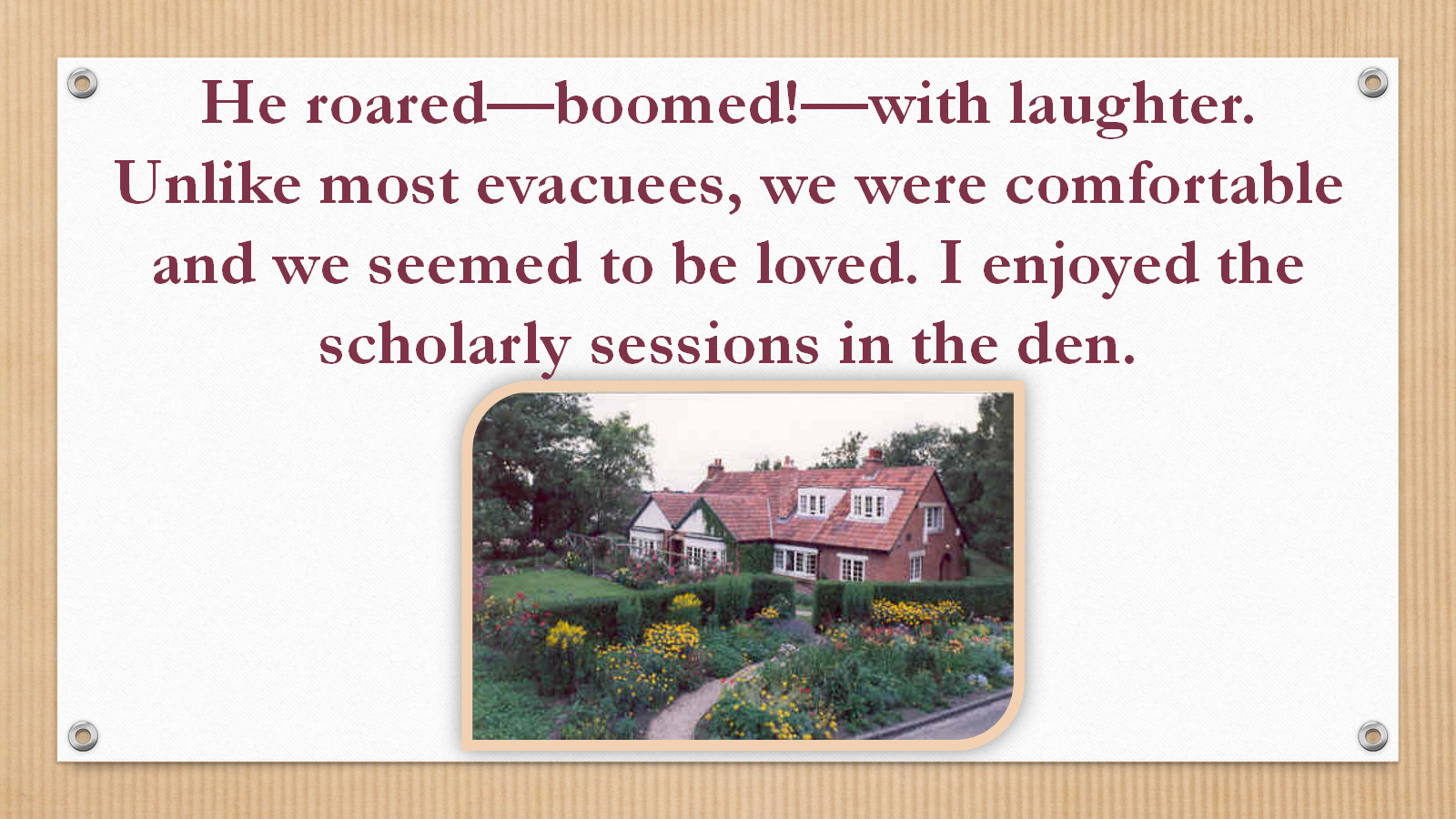
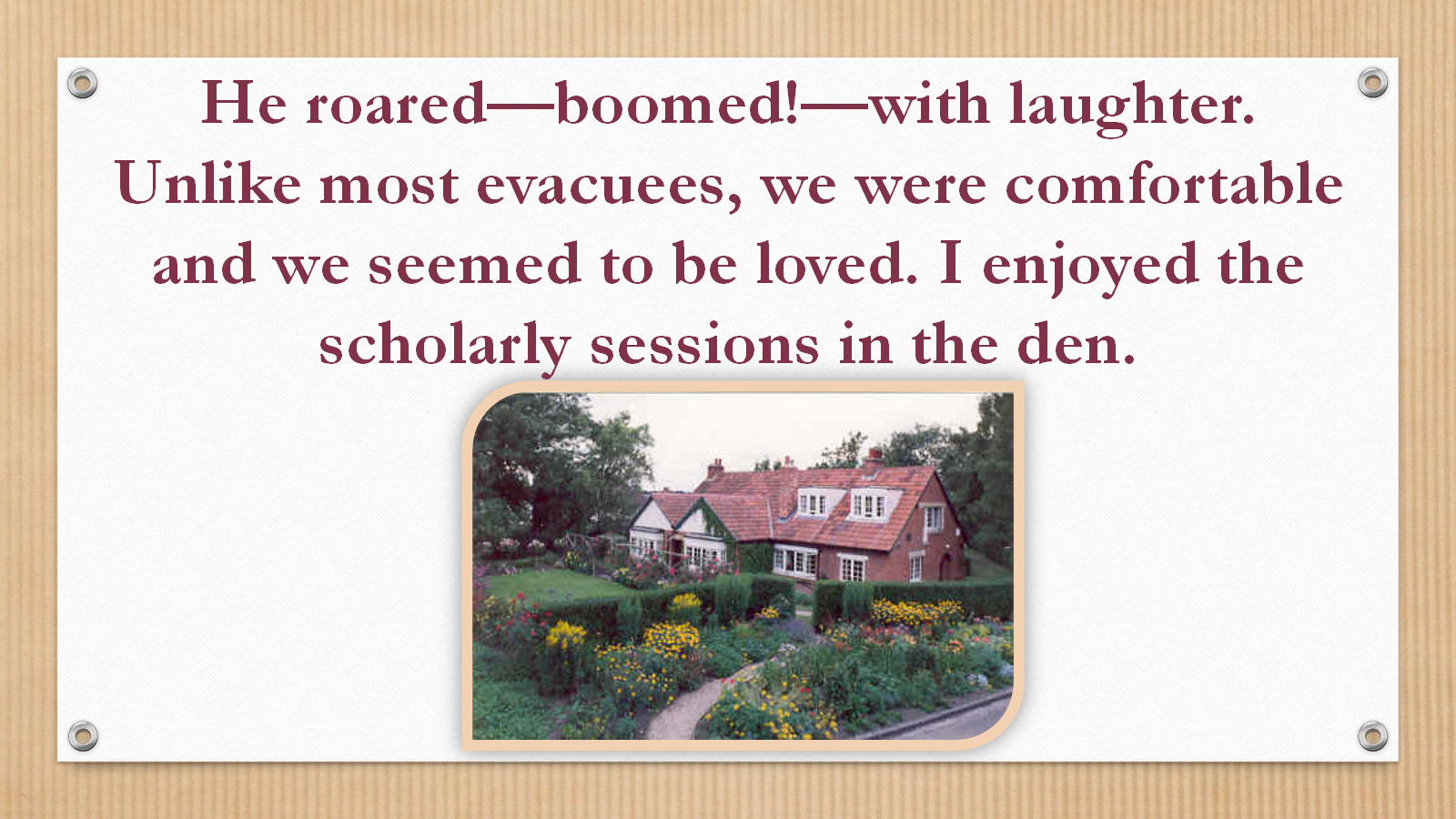
Lewis accepted a number of child evacuees at his home, the Kilns. Although he famously had referred to himself as someone who did not enjoy the company of small children, that changed through this experience. He sometimes smuggled extra food up to their rooms and invited them into his study to listen to classical music or just to chat. Teacher and scholar that he was, he encouraged their education, buying them books and then discussing what they had learned.
One evacuee, Patricia Heidelberger, who spent two years at the Kilns, left this testimony of her quite happy extended stay there:
The Rev. James Welch, head of religious broadcasting for the BBC, wanted something of spiritual substance for listeners who were war-weary. He sought just the perfect “voice” and “message” that Britain needed to hear during this stressful time. Upon reading Lewis’s The Problem of Pain, he found that voice.
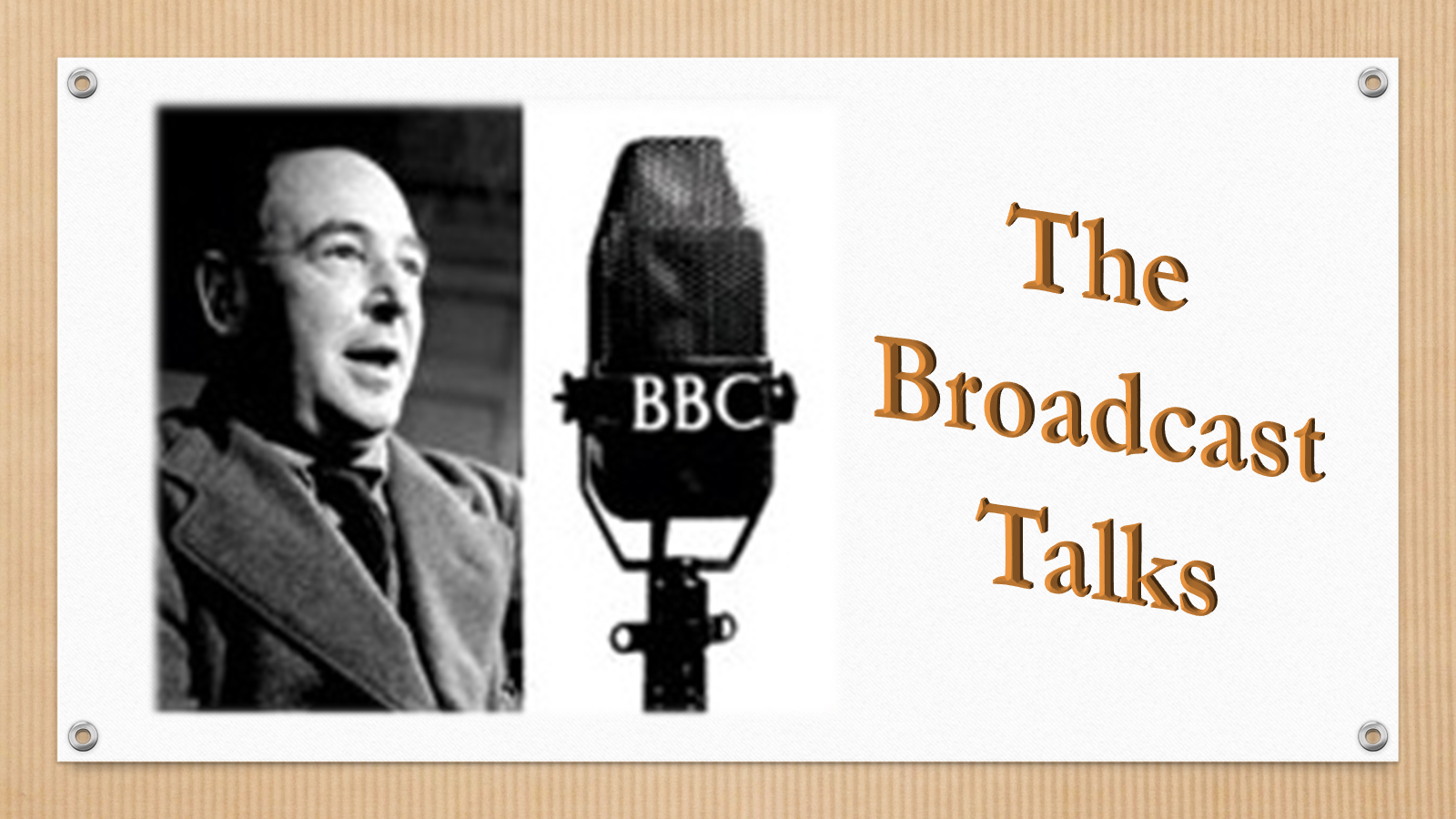
These series of talks became the basis for the later publication of Mere Christianity. The title didn’t mean a “dumbing down” of the faith; rather, it meant the essence of the faith as believed by most Christians. Lewis explained it this way in his preface:
The reader should be warned that I offer no help to anyone who is hesitating between two Christian “denominations.” You will not learn from me whether you ought to become an Anglican, a Methodist, a Presbyterian, or a Roman Catholic.
Ever since I became a Christian I have thought that the best, perhaps the only, service I could do for my unbelieving neighbours was to explain and defend the belief that has been common to nearly all Christians at all times.
I hope no reader will suppose that “mere” Christianity is here put forward as an alternative to the creeds of the existing communions—as if a man could adopt it in preference to Congregationalism or Greek Orthodoxy or anything else.
It is more like a hall out of which doors open into several rooms. If I can bring anyone into that hall I shall have done what I attempted.
Lewis’s approach to the broadcasts was to begin with general concepts and work his way, step by step, toward the specific truths of Christian faith. The title, therefore, of his opening round of talks–which remains the title in the book–was “Right and Wrong as a Clue to the Meaning of the Universe.” The goal was to connect with listeners–and later readers–with ideas that nearly everyone holds to be universal. Once those ideas were established, one could then springboard from them into how Christianity best explains universal problems and the solutions offered by God.
In the first five chapters of the book, God, specifically, is not central. Yet His truths ring out regardless. Mere Christianity‘s starting point begins a flow of interconnected thoughts that lead inexorably to a serious claim for the necessity of faith in Christ.